Total Pest Control Ltd
For a Free Consultation, Call 604-349-6402

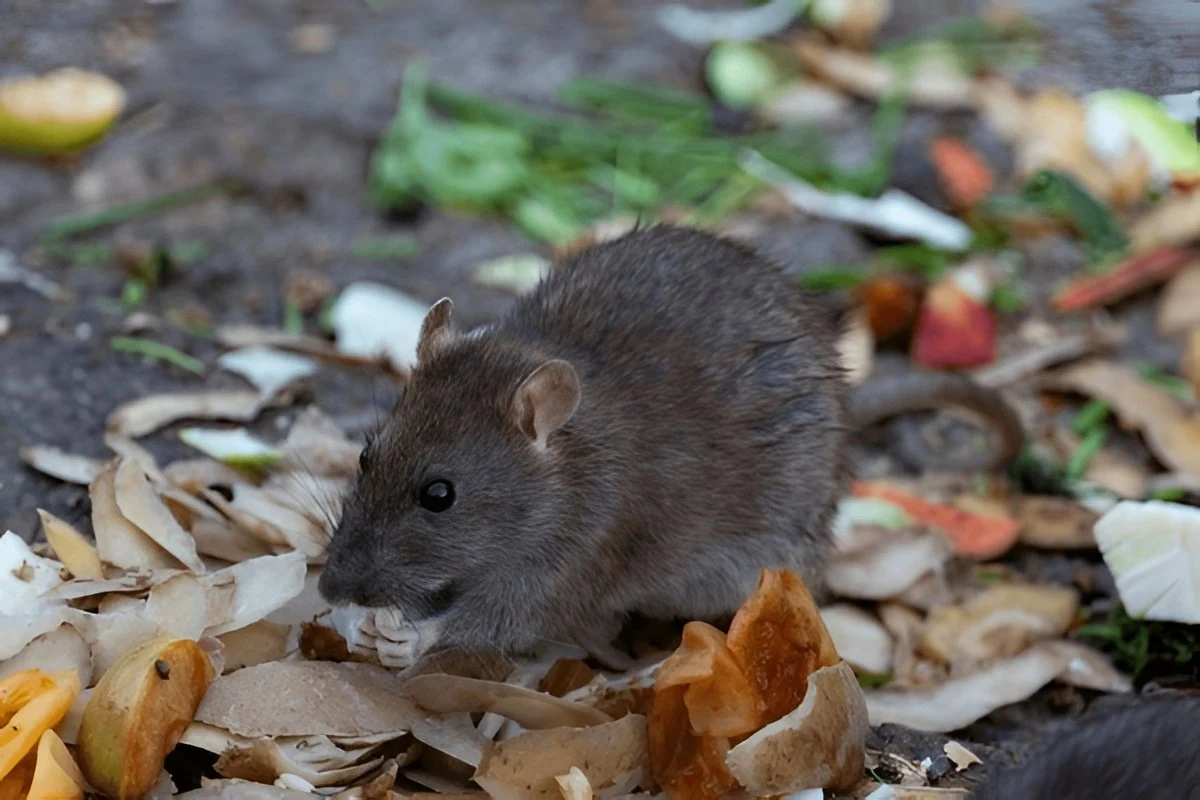
Same-Day Rat Extermination & Removal Services in Surrey
Hearing scratching in the attic or walls? Finding rat droppings in your kitchen, garage, basement, or crawl space? Or noticing burrows around your foundation, deck, or shed?
Total Pest Control provides professional pest control in Surrey, including rat removal and rat extermination services to homes and businesses across Newton, Guildford, Fleetwood, Cloverdale, South Surrey, Whalley, and surrounding neighbourhoods. Our licensed pest control technicians inspect rat activity, identify nesting areas and entry points, and use targeted control methods to address the infestation. We also recommend exclusion and prevention measures to help stop rats from returning.
Rats can damage electrical wiring, insulation, stored belongings, and food packaging while remaining hidden inside walls, attics, crawl spaces, and other concealed areas. Trapping a rat does not always resolve the infestation when other rats or open access points remain.
Need help from a rat exterminator in Surrey? Call 604-349-6402 or complete our contact form to schedule an inspection. Same-day appointments are available whenever possible.
Rats often remain hidden in walls, attics, crawl spaces, and other areas of a property. You may notice signs of their activity before seeing a live rat.
Common signs include:
Where you find these signs can help identify the problem. Burrows around foundations may indicate Norway rat activity, while scratching in attics or roof voids can suggest rats are using elevated access routes. Rub marks and droppings along walls can help identify established travel paths.
If you’ve noticed these signs, call Total Pest Control at 604-349-6402 to arrange a rat inspection in Surrey.

Rats enter residential and commercial properties in search of food, water, and shelter. While accessible garbage, pet food, and stored food can attract them, even well-maintained buildings may have openings that allow rats inside.
Common rat entry points include:
Once inside, rats may nest in attics, basements, crawl spaces, wall voids, garages, and storage rooms. Norway rats commonly use ground-level routes and burrows, while roof rats are skilled climbers that can reach upper building openings.
Outdoor conditions can also contribute to rat activity. Unsecured garbage and organic bins, accessible pet food, dense vegetation, and sheltered spaces beneath decks or sheds may provide food or cover. Rats can move between neighbouring properties, so the source of activity may not be limited to your own yard.
Rats remain active throughout the year in Surrey’s relatively mild coastal climate. During fall and winter, cooler temperatures can increase their search for sheltered nesting areas inside homes, garages, attics, and crawl spaces. Checking and sealing potential entry points before colder weather arrives can help reduce the risk of rats getting indoors.
Finding the entry point is important because removing rats already inside a property may not prevent new rats from using the same opening.
Norway rats and roof rats are the two main rat species associated with residential and commercial infestations in Surrey and the Lower Mainland. Both can contaminate food, damage property, and establish nests in concealed areas, but their behaviour and preferred nesting locations differ.
Norway rats, also known as brown rats or sewer rats, are generally larger and heavier-bodied than roof rats. They commonly travel along the ground and create burrows near foundations, retaining walls, garden areas, sheds, and other sheltered locations.
They may enter buildings through damaged foundation openings, crawl space vents, utility penetrations, or gaps near ground level. Inside, they can establish activity in basements, crawl spaces, and lower structural voids.
Norway rat control focuses on identifying burrows, ground-level travel routes, nesting areas, and structural access points.
Roof rats, also called black rats or ship rats, have slender bodies and long tails. They are skilled climbers and may travel along fences, trees, overhead structures, and rooflines to reach buildings.
They commonly establish activity in attics, ceiling voids, and other elevated spaces. Openings around soffits, roof vents, eaves, and upper exterior walls may provide access.
Roof rat control requires particular attention to roofline openings, elevated travel routes, and concealed attic activity.
Identifying the rat species helps our technicians determine where to inspect and how to position control measures.
Rats can cause problems beyond scratching noises or unwanted sightings. Their feeding, nesting, and movement can affect food storage areas, building materials, and concealed parts of a property.
Rat droppings, urine, and contaminated nesting materials can create sanitation concerns in homes and workplaces. Exposure risks depend on the circumstances and should be taken seriously, especially when cleaning heavily contaminated spaces.
The Government of British Columbia identifies rodents as pests that can damage buildings and create health concerns.
Avoid disturbing accumulated droppings or nesting materials without appropriate cleaning precautions.
Rats have strong teeth and regularly gnaw on materials as they move through buildings and nesting areas. They can damage electrical wiring, insulation, wooden structures, plastic pipes, stored documents, and personal belongings.
Gnawed electrical wiring may create a fire hazard, while damaged insulation or building materials can lead to additional repair costs.
Rats commonly search for food in kitchens, pantries, garages, restaurants, and storage areas. They can chew through packaging and contaminate food or preparation surfaces through droppings, urine, and direct contact.
Food showing evidence of rat activity should be discarded, and accessible food should be kept in secure, rodent-resistant containers.
Store-bought traps may catch individual rats, but an established infestation can continue when nesting areas, travel routes, and entry points remain unidentified.
Rats can be cautious around unfamiliar objects, including newly placed traps and bait stations. Placing traps away from established travel routes may reduce their effectiveness.
Ultrasonic repellents and store-bought traps may not resolve an established rat infestation, particularly when rats have access to multiple nesting areas or continue entering through structural openings. If you’re still finding droppings or hearing scratching after trying DIY methods, the next step is to identify where rats are travelling, nesting, and getting inside.
Other common challenges include:
Catching one rat confirms activity, but it does not necessarily mean the infestation has been eliminated. A professional inspection helps determine whether rats remain active and what is allowing the problem to continue.
Rat removal and rat exclusion address different parts of an infestation.
Rat removal focuses on controlling rats already active inside or around the property. Depending on the situation, this may involve strategically placed traps, appropriate bait stations, and monitoring.
Rat exclusion focuses on preventing rats from entering through structural openings. This may involve identifying damaged vents, foundation gaps, roofline openings, and utility penetrations that require sealing or repair.
Both can be important. Removing active rats without addressing accessible entry points may allow another infestation to develop.
During the inspection, Total Pest Control can identify potential access points and recommend suitable exclusion and rat-proofing measures. Any sealing or repair work should be confirmed as part of the agreed service scope.
Total Pest Control uses an inspection-led approach to rat control, drawing on Integrated Pest Management (IPM) principles. Our technicians assess the infestation, identify conditions supporting rat activity, and select appropriate control and prevention measures.
We inspect accessible areas for droppings, gnaw marks, rub marks, burrows, nesting materials, and other evidence of rat activity.
The inspection helps identify likely nesting areas, feeding locations, and travel routes, including activity in attics, crawl spaces, basements, garages, and exterior areas.
Our technicians assess potential access routes around foundations, vents, utility openings, exterior doors, rooflines, and other structural areas.
Identifying how rats are entering helps determine which areas require attention to reduce the likelihood of recurring activity.
Based on the inspection findings, we select appropriate rat control methods. These may include strategically positioned traps and approved bait stations where suitable.
Treatment placement considers the location of rat activity, established travel routes, property conditions, and relevant safety requirements.
We identify openings and property conditions that may allow rats to enter or remain active.
Recommendations may include sealing structural gaps, repairing damaged vents, securing garbage, improving food storage, and reducing accessible shelter around the building.
Where follow-up is required, monitoring helps assess whether rat activity is declining or continuing.
Our technicians can review evidence of ongoing activity, evaluate treatment placement, and recommend further action when necessary.
The objective is to address the active rat problem while identifying conditions that could allow it to return.
Rat infestations can affect different property types, and the inspection approach should reflect how each building is used and where rats may be active.
Residential rat control: We help homeowners and residents address rat activity in houses, townhouses, basements, attics, crawl spaces, garages, and other residential areas.
Commercial rat control: We provide rat control services for restaurants, retail premises, offices, warehouses, storage facilities, and other commercial properties where rodent activity can create sanitation and property concerns.
Strata and multi-unit properties: In townhouses, apartments, and strata buildings, rats may travel through shared structural openings, utility spaces, or common areas. Treating activity inside one unit may not fully resolve the problem if rats continue entering through shared access routes. An inspection can help identify whether additional areas need attention.
Total Pest Control serves properties throughout Surrey, with inspections and treatment recommendations based on the conditions found on site.
Our trained technicians assess rat infestations and select treatment methods based on the property, pest activity, and applicable safety requirements.
We look beyond visible rat sightings to identify droppings, burrows, nesting areas, travel routes, and potential entry points that may be contributing to the infestation.
Our rat control approach considers the species, activity locations, and property conditions rather than relying on randomly placed traps or bait stations.
We identify structural openings and conditions that can contribute to recurring rat activity, helping property owners understand which preventive measures may be needed.
We understand that finding rats inside a home or business requires prompt attention. Contact our team to discuss inspection availability and urgent rat control concerns.
Treatment methods are selected according to the infestation, site conditions, and relevant product-label and safety requirements.
Rat droppings are generally larger than mouse droppings, and rats often leave more substantial gnaw marks, rub marks, and burrows. Scratching noises alone may not identify the species. A pest control inspection can help determine whether rats or mice are responsible.
The treatment timeline depends on the number of rats, nesting locations, available food sources, entry points, and the property’s layout. Some problems require multiple visits or continued monitoring. Your technician can explain the recommended approach after inspecting the property.
Professional rat control in Surrey starts from $149*. The final cost depends on the infestation size, property layout, treatment requirements, and whether follow-up visits or exclusion work are needed.
*Contact Total Pest Control for a quote based on your property and rat activity.
Our technicians inspect for potential rat entry points and recommend suitable exclusion measures. Whether sealing or structural repairs are included depends on the agreed service scope. We can explain which openings need attention during the inspection.
Rat control products and devices require appropriate placement and handling. Our technicians consider access by children, pets, and other non-target animals when planning treatment and follow applicable product-label instructions. Let us know about children or pets before treatment so relevant precautions can be discussed.
Rat activity may continue during the early stages of a control program, particularly when multiple rats or concealed nesting areas are involved. Follow-up monitoring helps determine whether activity is decreasing or whether treatment adjustments are needed.
Rats may return when outdoor food sources, sheltered nesting areas, or burrows remain accessible. Garbage bins, compost, pet food, vegetation, and spaces beneath sheds or decks can contribute to recurring activity. Professional rat control can help identify active burrows, travel routes, and conditions that need attention, even when rats are moving between neighbouring properties.
Construction and site clearing can disturb existing rodent shelter and movement routes, potentially causing rats to seek alternative cover nearby. However, nearby construction does not automatically mean it caused your infestation. If rat activity begins around the same time as local building work, an inspection can help identify current burrows, entry points, and nesting areas around your property.
A dead rat in an inaccessible space may produce an unpleasant odour. The appropriate response depends on its location and whether the area can be accessed safely. A technician can assess the situation and discuss possible removal or follow-up options.
Yes. Rats may return if structural openings remain accessible or conditions around the property continue attracting them. Identifying entry points, managing food sources, and addressing suitable exclusion measures can help reduce the likelihood of reinfestation.
Yes. Total Pest Control provides rat control services for residential and commercial properties in Surrey, including restaurants, offices, warehouses, retail spaces, and other premises where rat activity may create sanitation or property concerns.
Finding rat droppings, hearing scratching in the attic, or noticing burrows around your property? Total Pest Control can help identify where rats are active, assess potential entry points, and recommend a targeted treatment plan.
Call 604-349-6402, email at services@tpcs.ca, or contact Total Pest Control to request rat control services in Surrey, BC.